Precision in rubble search
How does a search and rescue dog identify the source of human scent? How does it learn to use scent information independently and follow it reliably, even in challenging conditions? And how does precise localisation translate into a stable bark alert?
These were some of the key skills developed during the three-day Rubble Search Training Course led by IRO Lead Trainer Borut Modic in Povegliano, Italy.
The training focused on developing the dogs’ independence and increasing their working distance from the handler, as well as on scent work, precise microlocation, and stable bark alert behaviour.
Trusting scent information
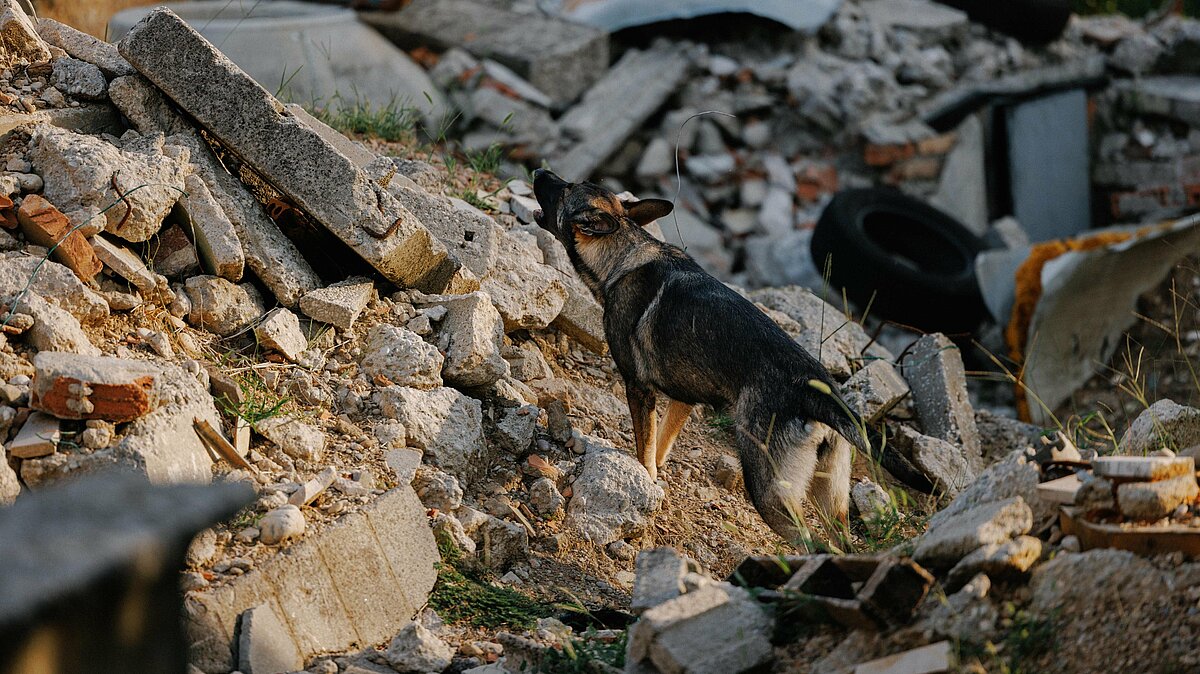
Detecting human scent is only the beginning. The dog must follow the scent information and independently work out where it is actually coming from. During microlocation, the dog checks different directions and possible scent outlets until it identifies the source precisely.
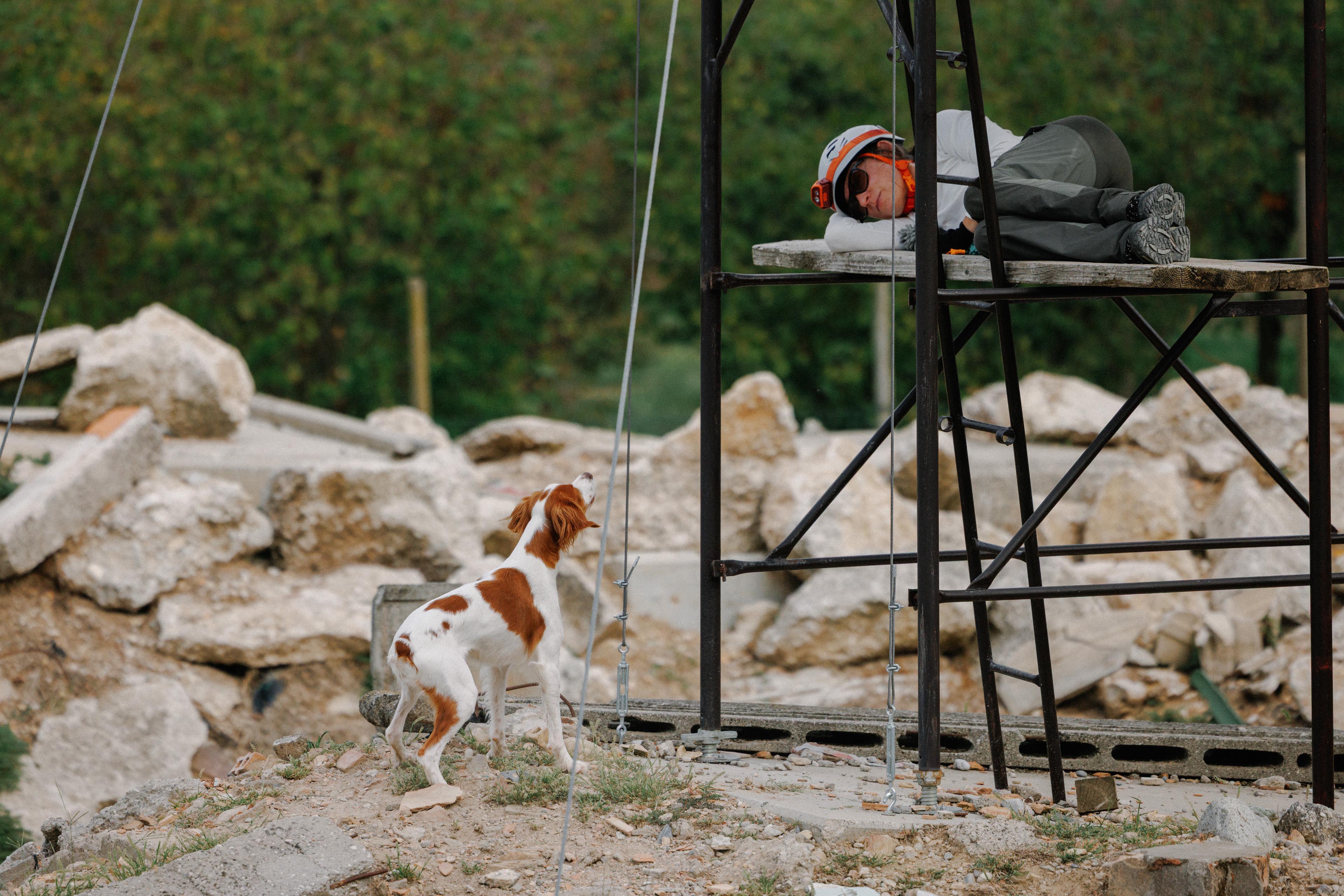
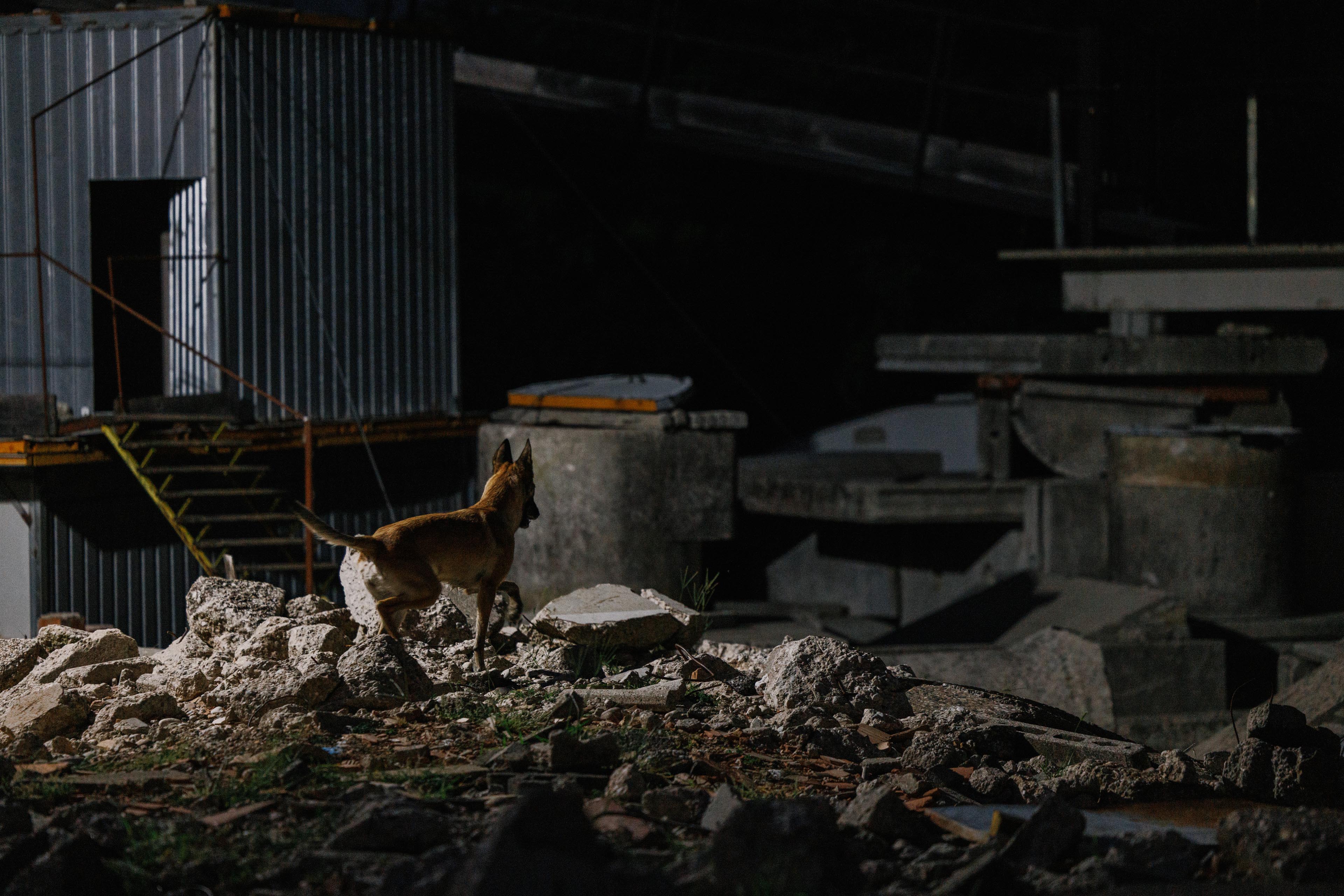
The dogs worked with concealed and elevated hidden persons, as well as in enclosed spaces and tunnels. They also learnt to continue searching without visual contact with their handlers and in complete darkness. A key part of the training involved teaching the dogs to rely on the available scent information, rather than their expectations or memories of previous finds.
Building complexity step by step
The training also involved challenging rubble structures, changes in height and unstable surfaces. A highly unstable suspension bridge, for example, required balance, confidence, and the willingness to keep moving despite the challenging surface.
The level of difficulty increased gradually and deliberately. Only once an element had been firmly established was the next challenge introduced. For instance, crossing a difficult surface could first be practised and reinforced before being combined with a correct bark alert at the find.
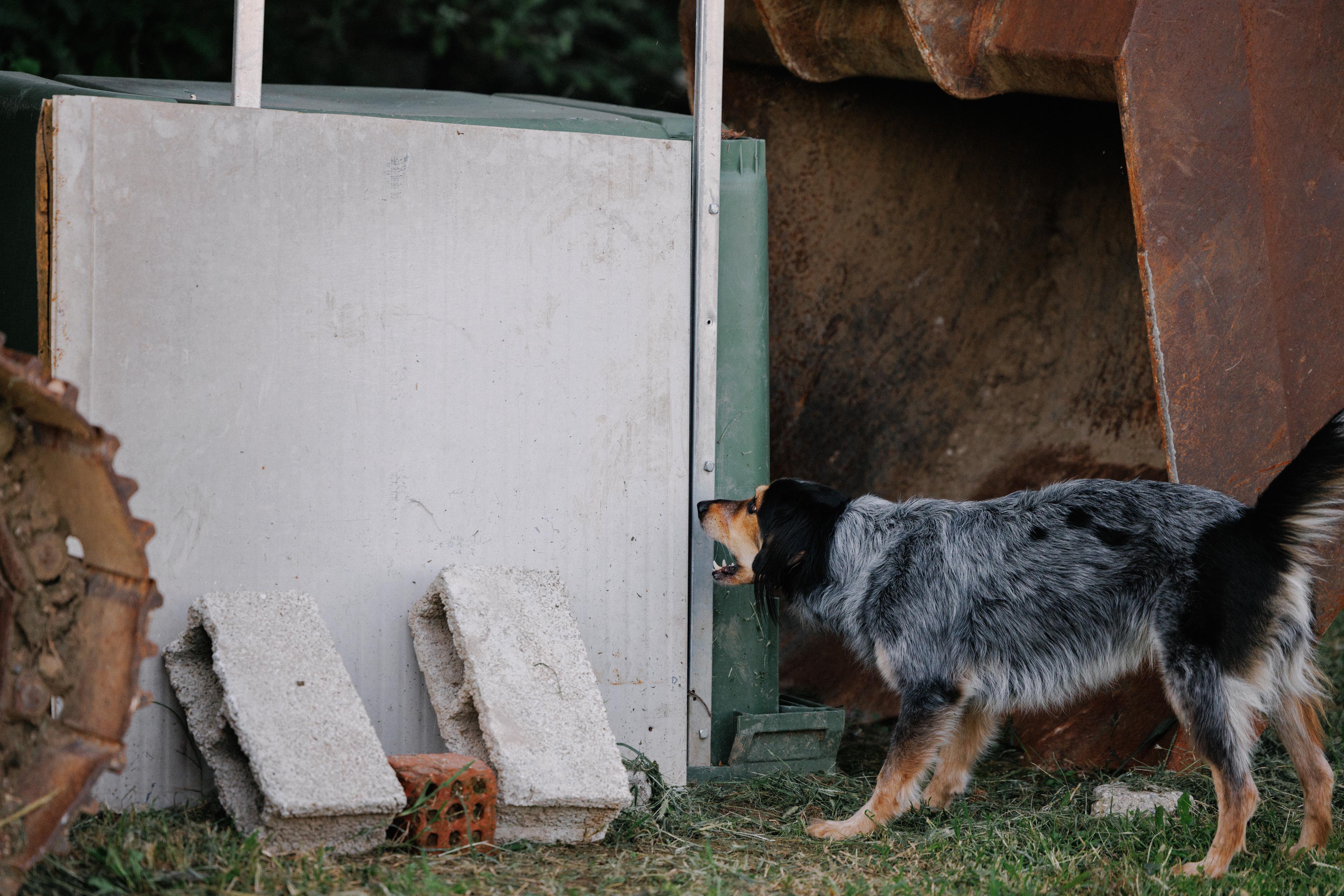
The bark alert itself was trained with the same attention to detail. The dog should maintain a clear, persistent and focused bark alert at the hidden person while holding the correct position, even when the approaching handler becomes a potential distraction.
It is this attention to detail that defines high-quality search and rescue dog training. During a disaster deployment, dogs must be able to solve complex problems independently, move confidently across challenging terrain, and follow human scent reliably to its source. These abilities do not develop by chance. They are built step by step, reinforced through training, and tested repeatedly under changing conditions.
Interested in taking part in an IRO Course? Visit our Events page to discover upcoming training opportunities.
Photos: Marlin Prauss