
Precise search, successful rescue
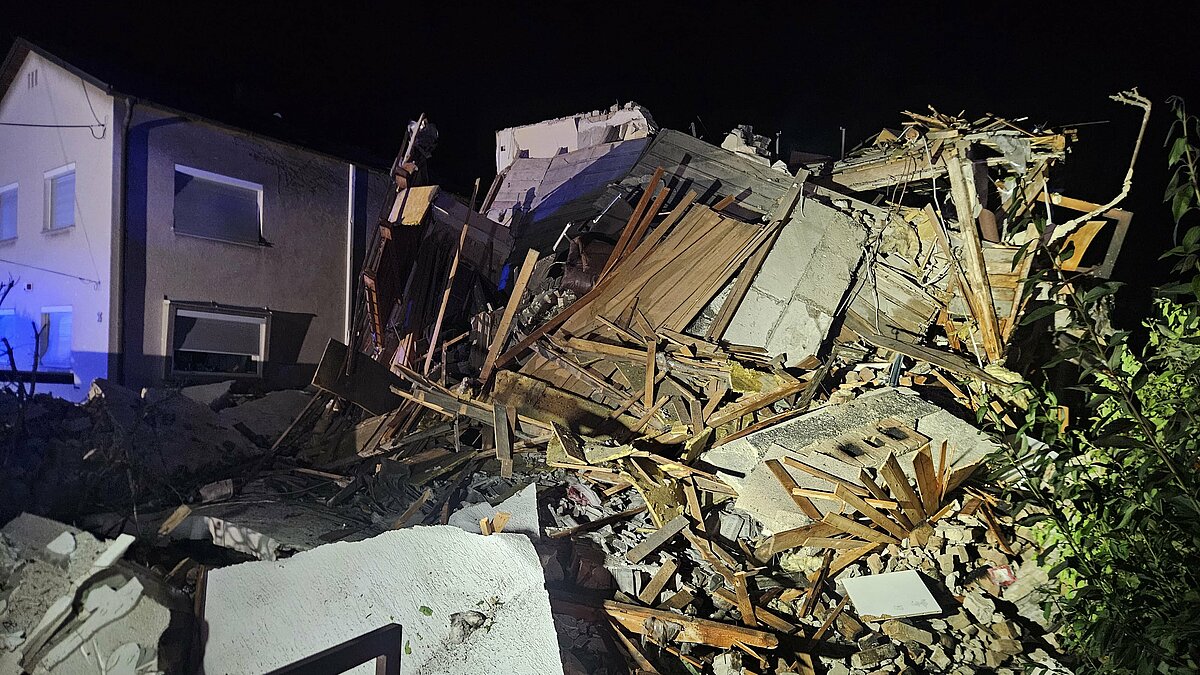
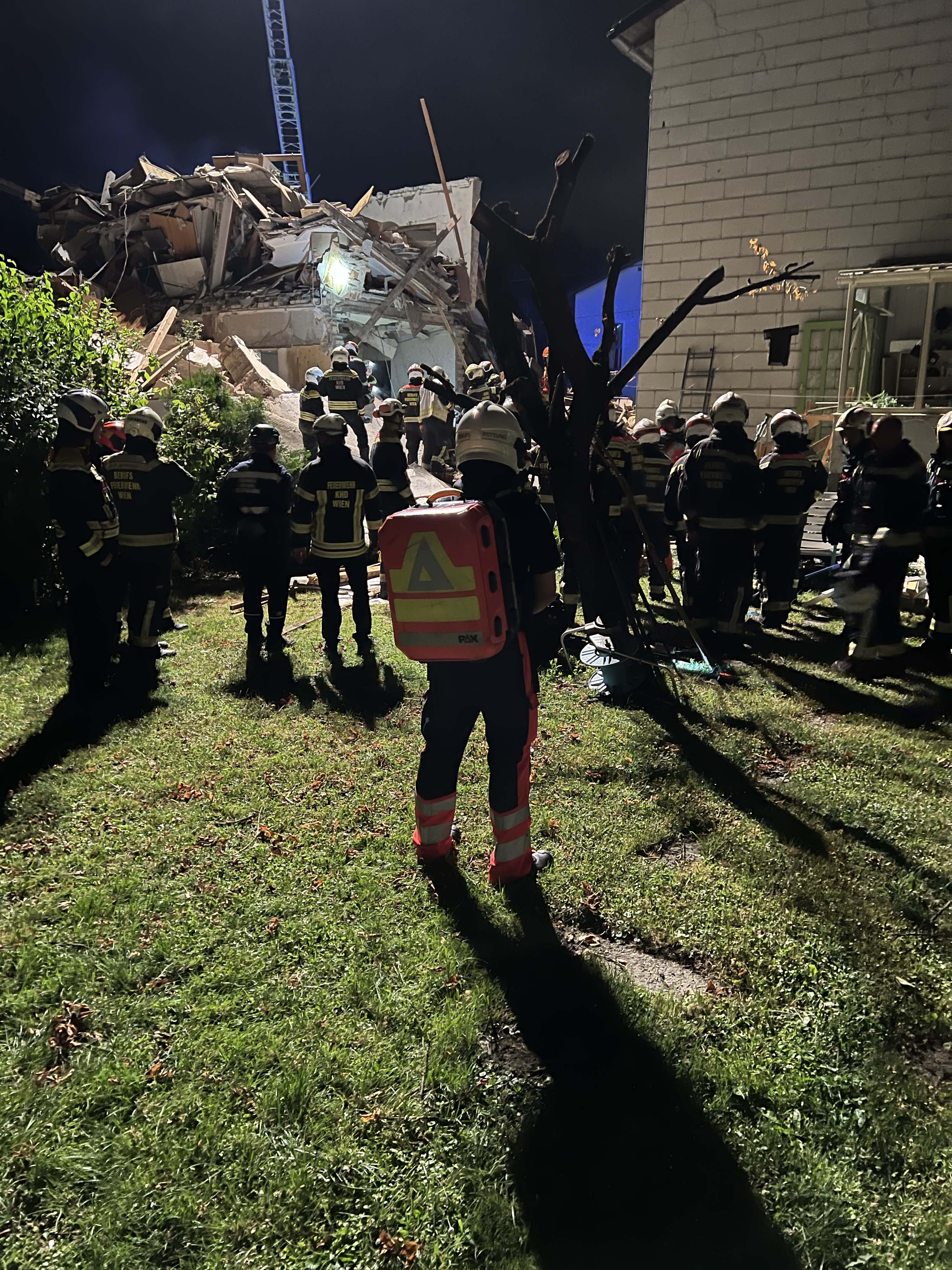
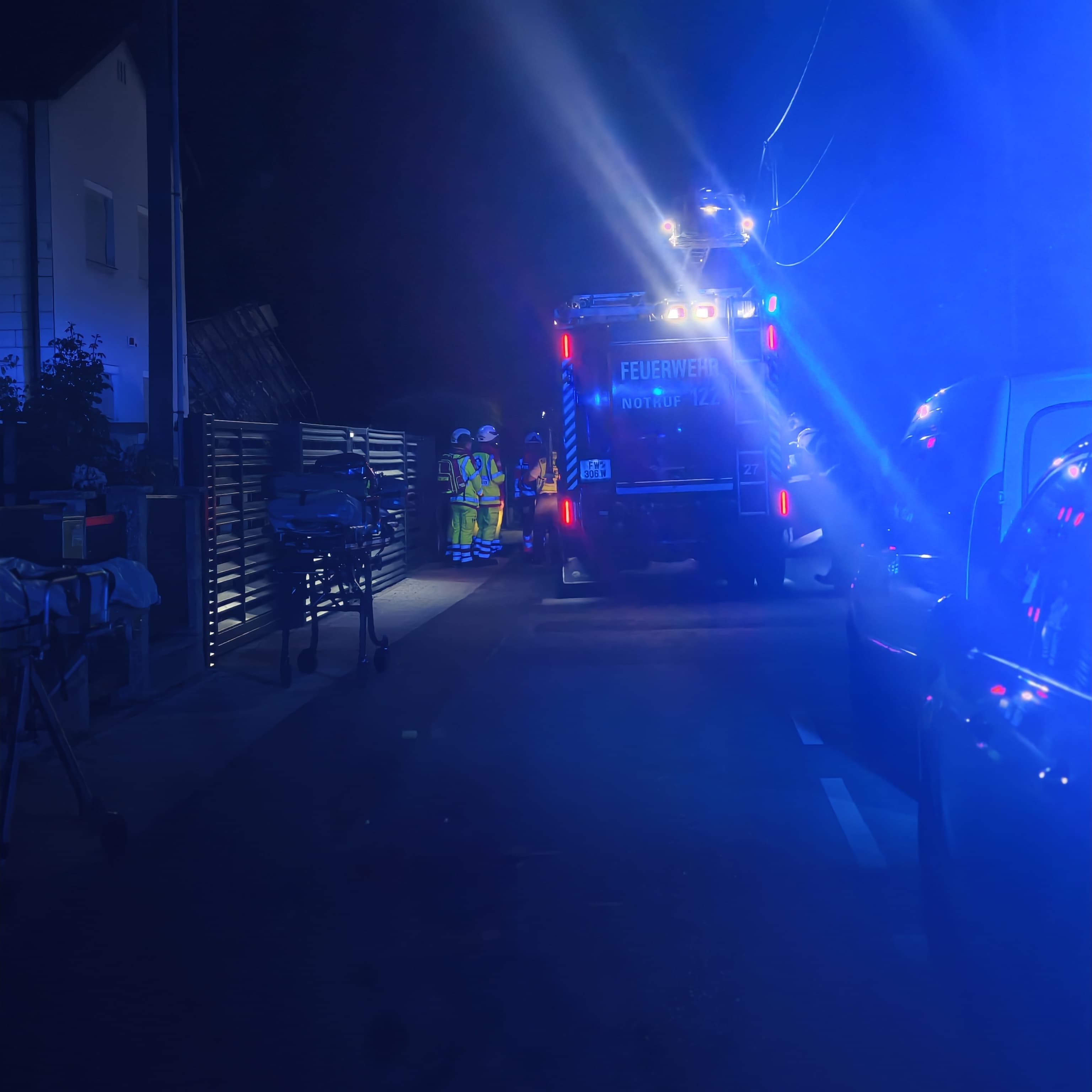
A collapsed house, towering piles of rubble, and one urgent question: was anyone still trapped beneath it? Following an explosion in Vienna, emergency responders found themselves in a race against time.
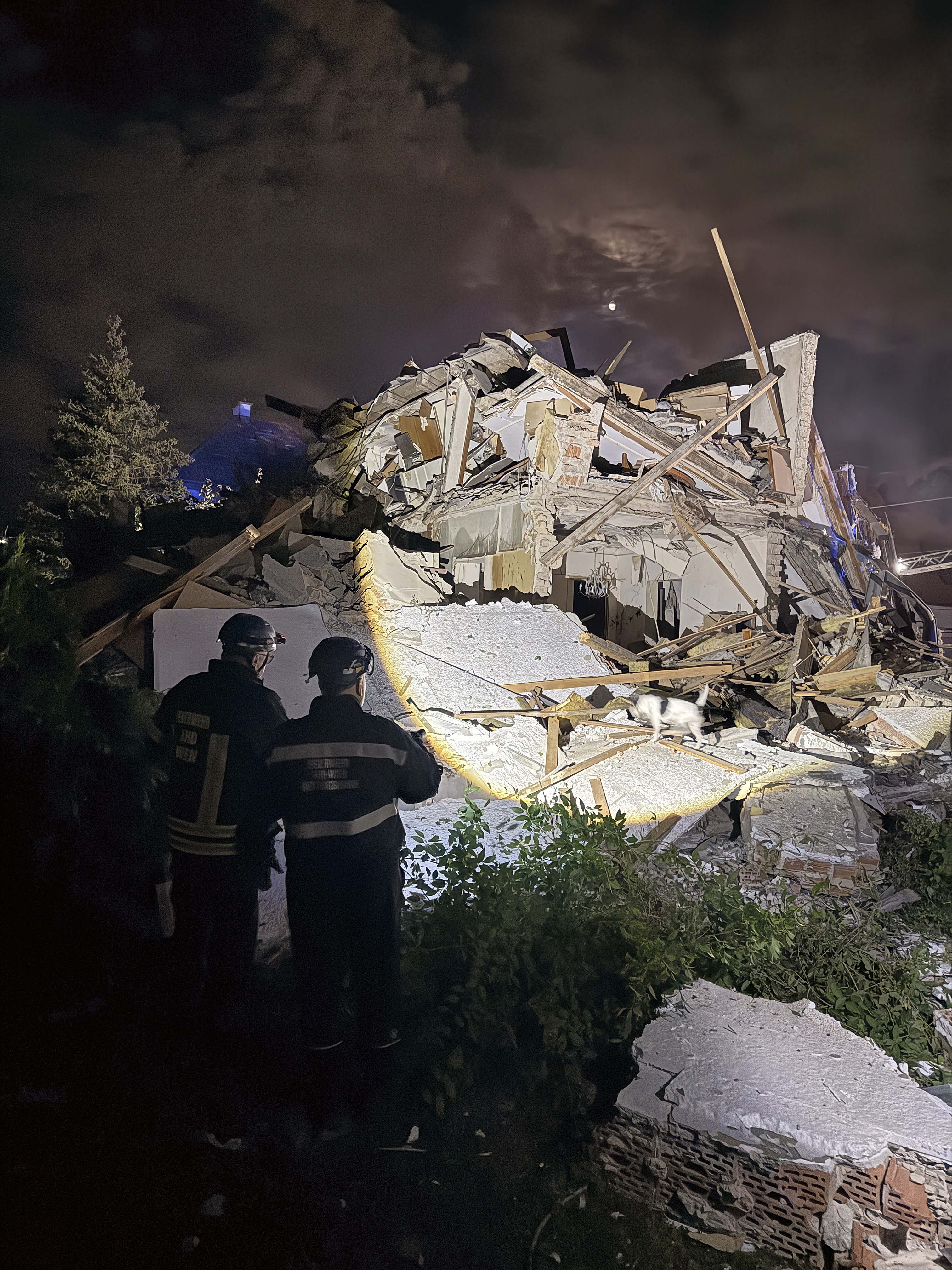
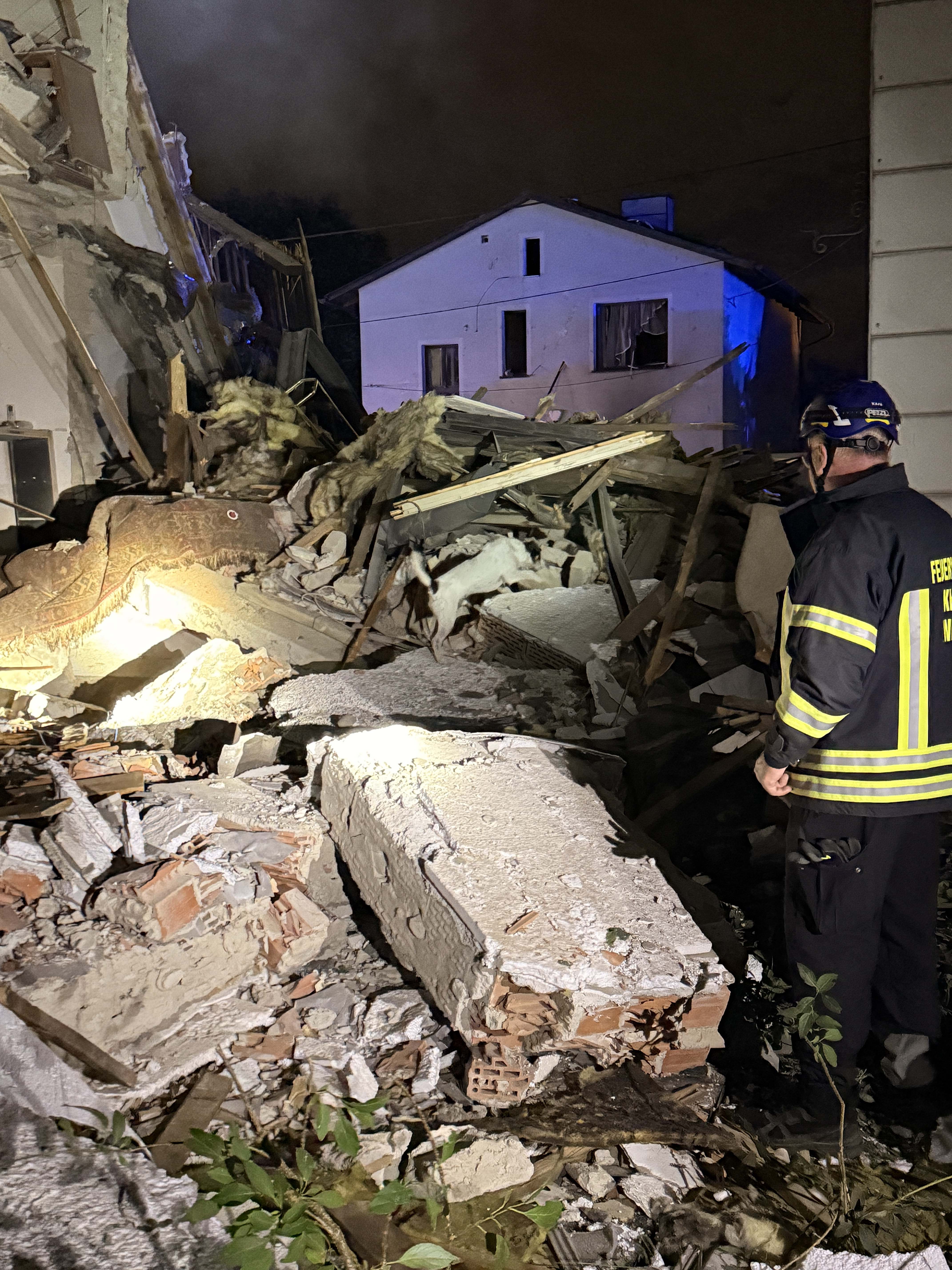
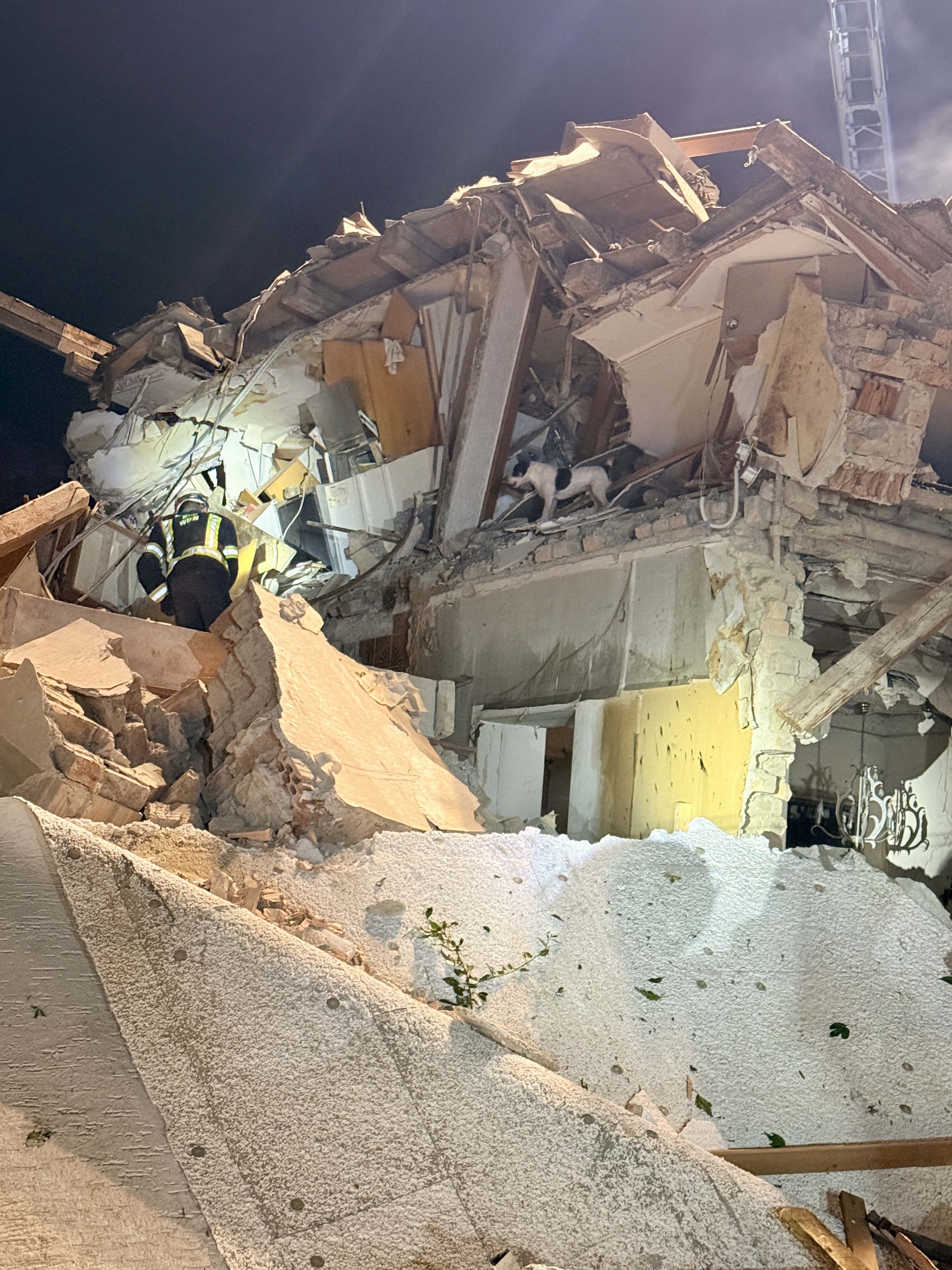
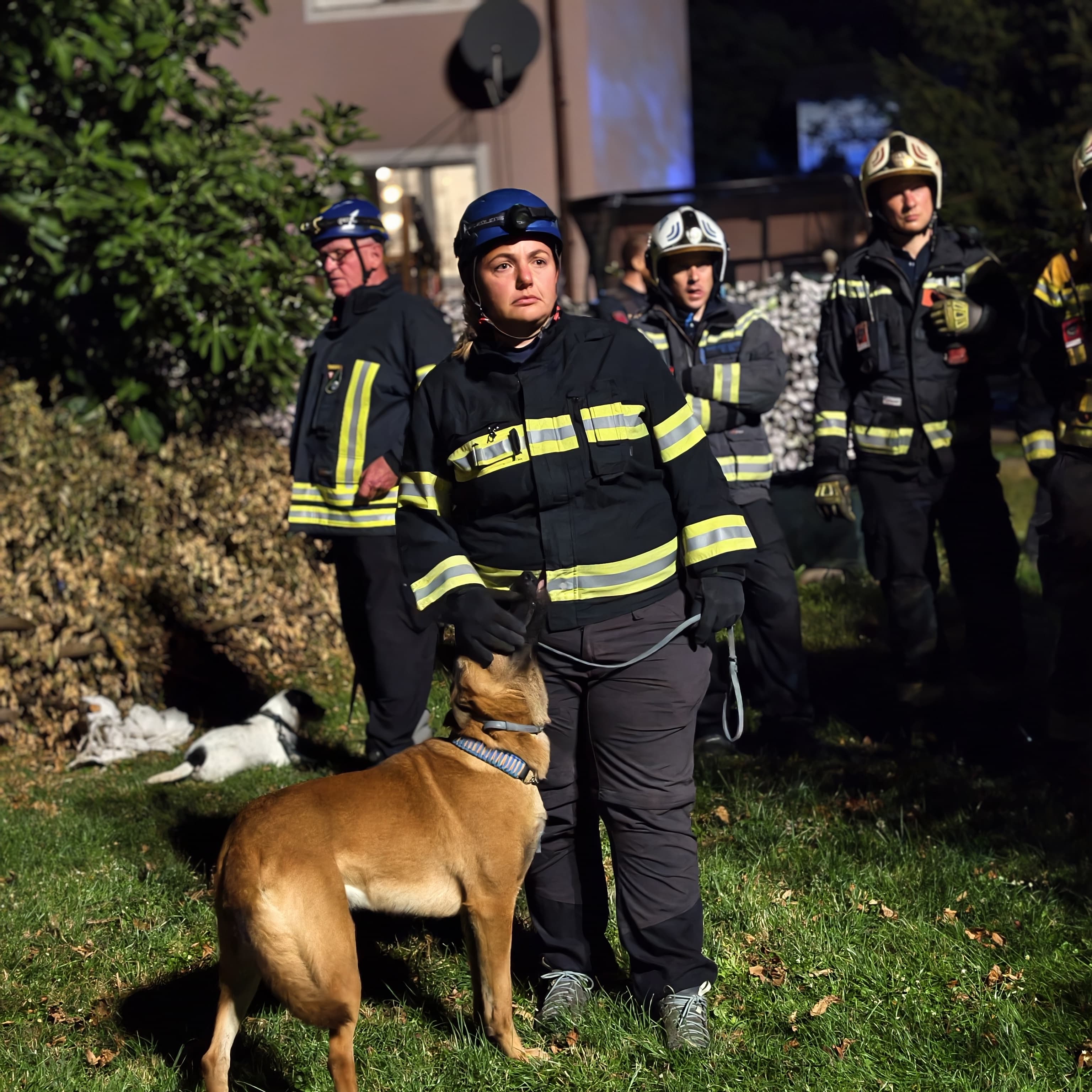
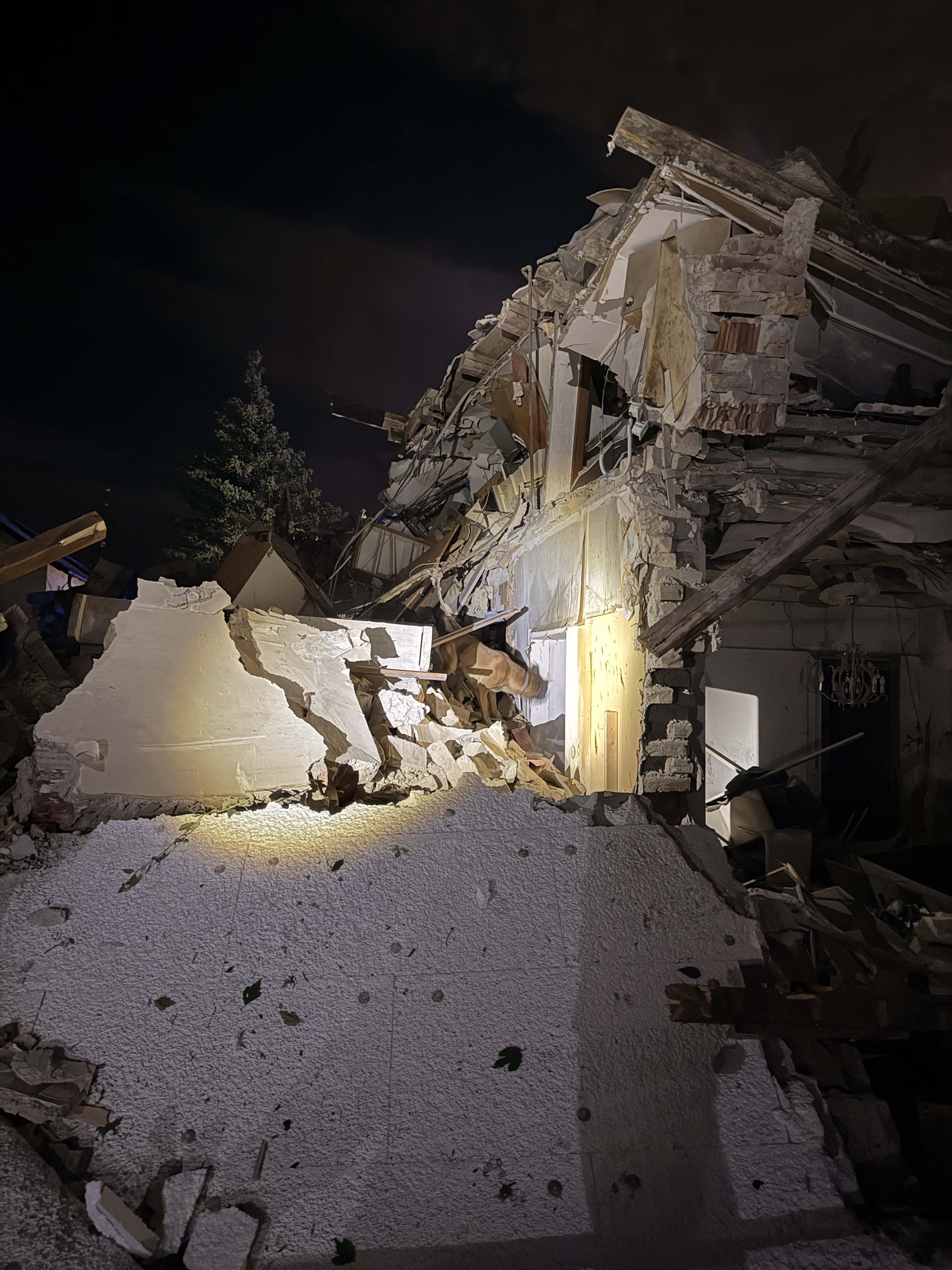
While the firefighters extinguished the blaze and secured the scene, the Vienna Fire Department's search and rescue dog teams were deployed. The collapse site had not yet been entered by rescue personnel, leaving the scent picture undisturbed – a crucial advantage for the dogs. Combined with the excellent illumination provided by the fire service, conditions for a precise search could hardly have been better.
Then came the moment everyone had been waiting for.
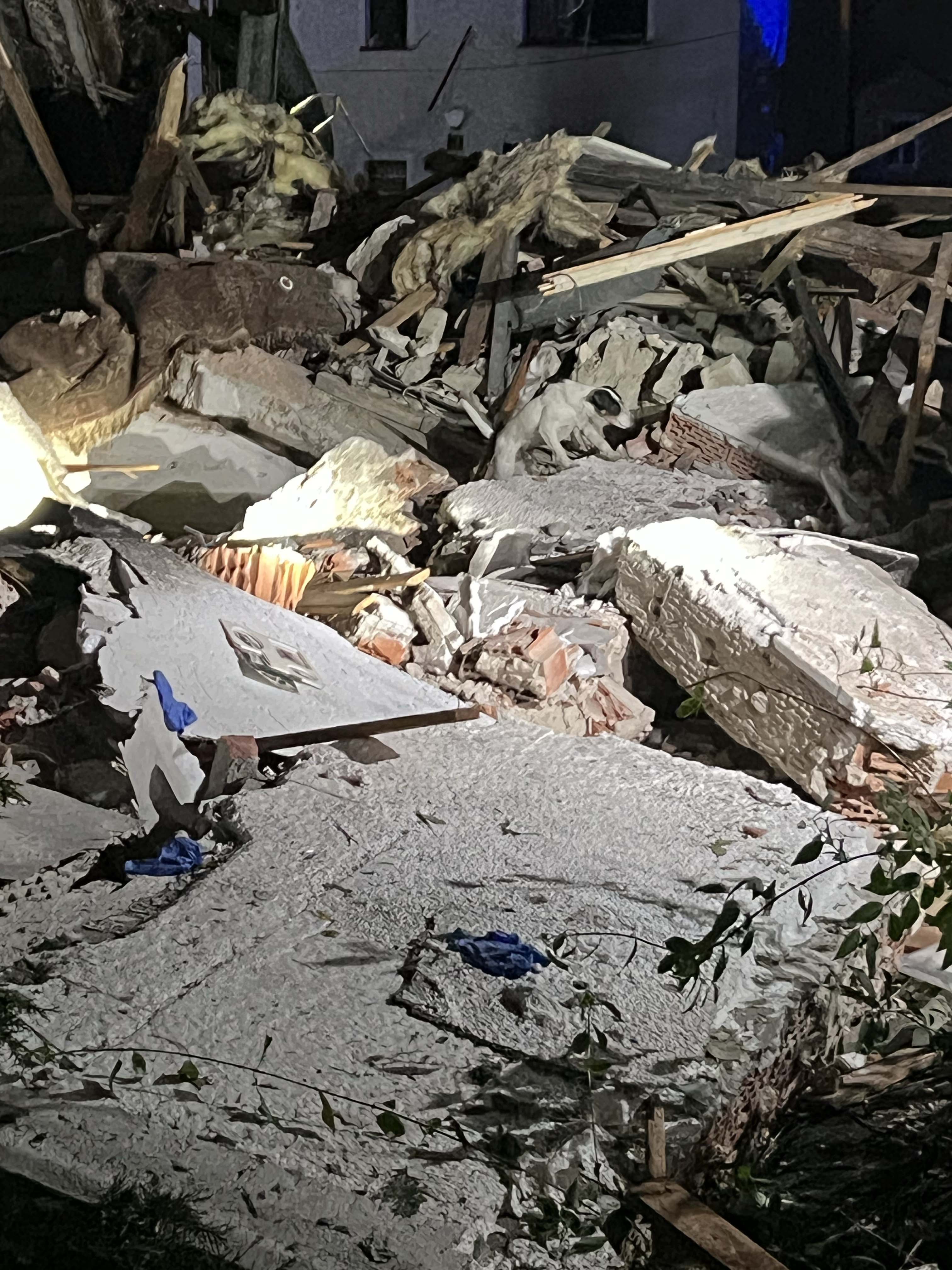
Arvi, a Parson Russell Terrier, was the first to detect the scent of a trapped casualty. Moments later, Belgian Malinois Magnum and Odax independently indicated the same location. For the experienced responders, the message was unmistakable: someone was still alive beneath the rubble.
The Vienna Fire Department's acoustic search team then took over. Using a search camera, they quickly located the 93-year-old resident and established verbal contact. Shortly afterwards, the seriously injured man was rescued alive from the debris.
This deployment serves as a powerful reminder that successful search and rescue operations depend on far more than a single capability. Even in the absence of visible life signs, search and rescue dogs are able to detect human scent. Their indications help to identify the critical search area, enabling technical search resources to confirm the location and rescue teams to begin their life-saving work. It is the seamless integration of canine capability, technology, and human expertise that enables complex rubble operations to succeed.
Years of training, continuous practice and uncompromising quality standards lie behind every successful rescue. When every minute counts, it is this preparation that turns uncertainty into hope.
Author: Daniela Rupp
Photos: FW-RH