
Gut health in dogs
A healthy gut is vital for a dog's wellbeing and resilience. Its importance extends far beyond digestion. The gut absorbs nutrients that provide the body with energy, and it is also closely linked to the immune system. A balanced gut microbiome supports immune function and contributes to overall health.
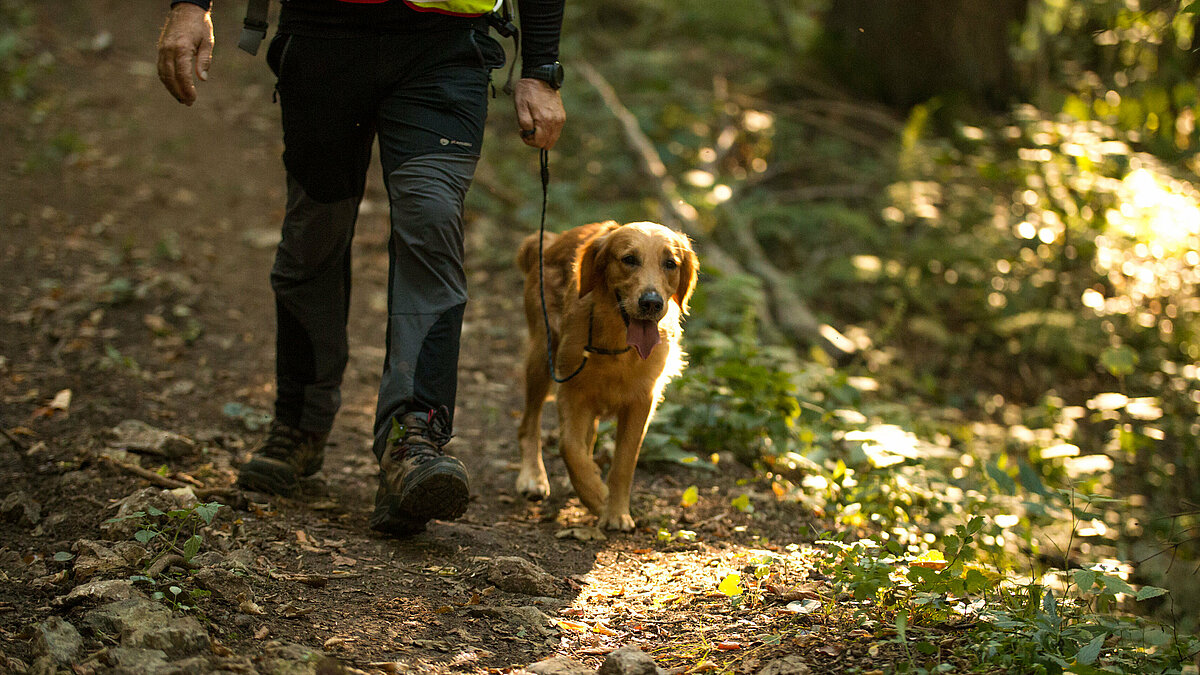
The importance of gut health is particularly evident in highly active dogs, such as search and rescue dogs. These dogs are regularly exposed to physical and mental demands, and they must be able to perform reliably and remain focused, even in challenging conditions. A healthy gut enables the body to make the most of the nutrients it receives, providing an important foundation for recovery, resilience, and sustained performance.
Disrupting the balance of the gut microbiome can have effects that extend well beyond the digestive system. Early signs may include frequent grass eating, morning vomiting, flatulence, or unusually large or frequent bowel movements. Recurring inflammation of the ears, eyes or anal glands, as well as a dull, lacklustre coat, may also be linked to poor gut health.
A balanced diet tailored to a dog's individual needs is the cornerstone of a healthy gut microbiome. If this balance is temporarily disturbed, for instance after a course of antibiotics or during periods of increased stress, a targeted gut support programme may be beneficial.
Supporting your dog's gut health is an investment in their long-term well-being. A healthy gut helps dogs to stay resilient and recover more quickly, enabling them to approach every challenge with energy and enthusiasm, whether at home, during training, or on a search and rescue mission.